
Habits of the Mind 1
(Monday)
Context:
During adolescence, the thinking patterns you develop can become ingrained for the rest of your life. These patterns shape who you are and influence the decisions you make.
It’s important to become aware of the thinking patterns you’ve developed. Then, we want to identify and reinforce positive patterns, while also recognizing and preventing negative patterns from taking root.
If you are still in school, your brain is actively transforming. Areas such as logic, decision-making, and emotional processing are developing. You can leave this transformation to chance—or you can take control and make deliberate, positive changes.
What it is: Habits of the mind are the patterns of ingrained reactions that your brain develops during adolescence. Every decision involves a choice, but repeated patterns of thinking can cause you to choose the same path automatically.
Why it’s important: Over time, these patterns can begin to make decisions for you. For example, if you habitually choose the easy way out or avoid difficult situations, this can become your default behavior. Later in life, when a difficult choice is the best course of action, these habits may lead you to make the wrong decision.
Similarly, if your habit is to do only what you’re asked and nothing more, in the workplace this “bare minimum” approach could hurt you during layoffs or when opportunities arise.
On the other hand, if your pattern is to take on challenges, do whatever it takes to complete a task correctly, and step outside your comfort zone, you will become an extremely valuable employee in any organization.
Primer Questions
Do you always choose the easy way out in difficult situations?
Are you irritated when others ask for your help or your time?
Do you take responsibility for your mistakes, or do you tend to place the blame elsewhere?
Can you identify any negative habits of the mind that you have developed?
Write down your answers and observations in your journal.
Your brain is your most important and valuable asset for surviving and thriving in the future.
As your brain begins to grow and transform, if you don’t actively shape its development, your surroundings will.
Don’t leave the growth of your mind to chance—or to someone else. Be aware of the habits your mind is forming now, and take an active role in making your brain’s transformation something positive and powerful.
How Do You React?
Are you known as someone who has a bad temper? Impatient? Or are you known for someone who is patient and level-headed?
How you are viewed, based on your decisions and reactions to stressful circumstances, is tied directly to your use of your PFC.
Watch the video then answer the questions below, or discuss them with others.
Pre Frontal Cortex (PFC)
Do you control your brain? Or does your brain control you?
You program your brain, which can then subconsciously influence your actions.
Watch the video then answer the questions below, or discuss them with others
This video is produced by NeuroscientificallyChallenged.
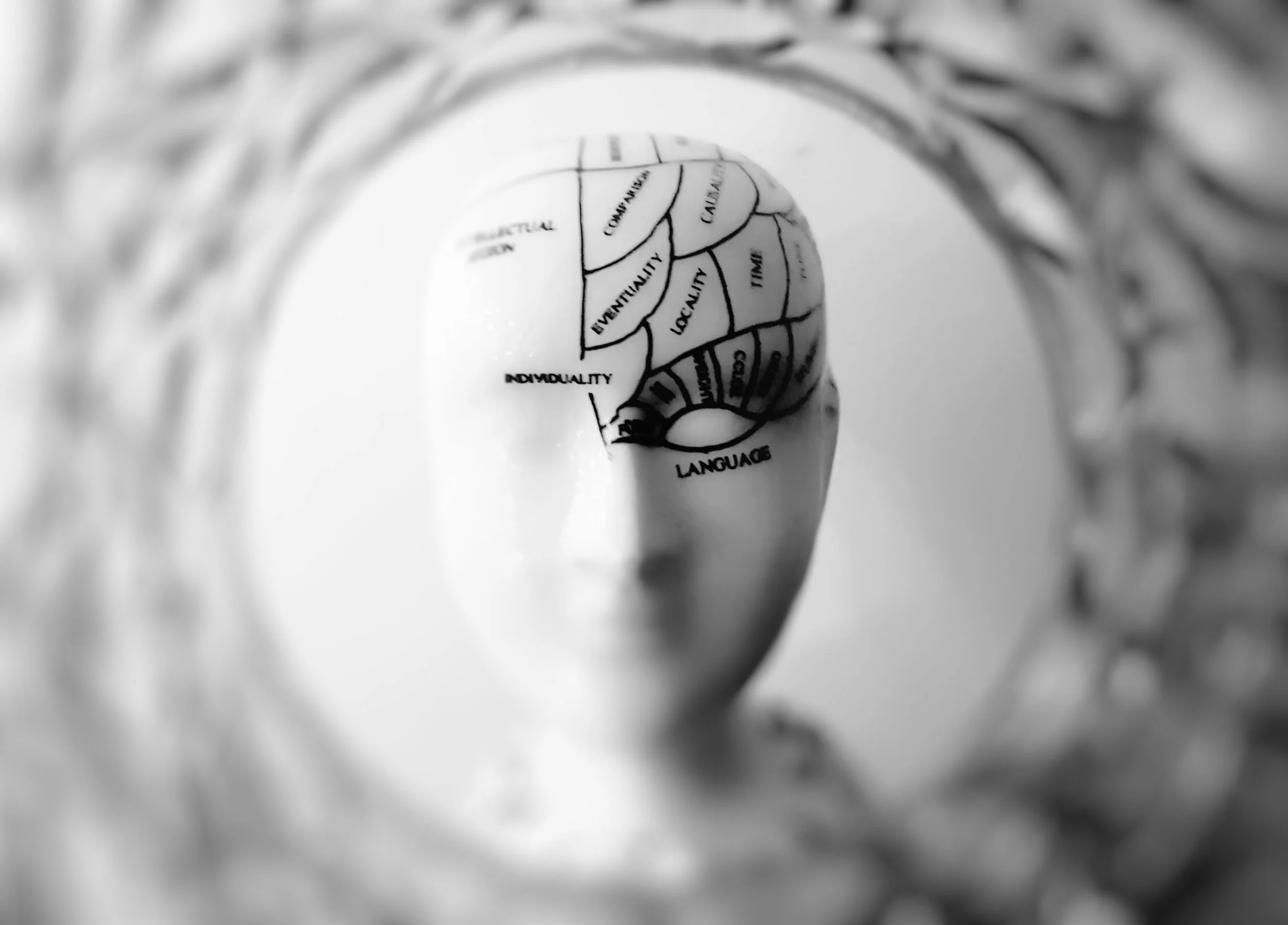
Meet the Prefrontal Cortex (PFC):
The part of the brain that is key to reasoning, problem-solving, comprehension, impulse control, creativity, and perseverance.
Functions of the PFC:
Focusing one's attention.
Predicting the consequences of one's actions; anticipating events in the environment.
Impulse control; managing emotional reactions.
Planning for the future.
Effective communication.
Empathy.
Scenario: You get anxious in your science class because you don’t do well on tests. The majority of your grade in this science class is based on tests and quizzes, not homework.
You’ve been ingraining the pattern of feeling stress and anxiety when you go to science class for half of the year.
How would you use your PFC to break your negative thought cycle about your science class?
Use the following questions to help you engage your PFC for this scenario.
1) Would it help (would I be less anxious in science class) if I asked a classmate to help me understand my homework?
2) Could I do extra studying on my own, to make the subject more interesting?
3) Is my grade really so bad?
4) Am I trying my best? Or is there more I can do to help me understand what I’m learning?
5) Would it help if I research how what I am learning is used in the real world?
6) Does this stress help me in any way? Do I really need to put myself through all this anxiety?
7) Is the stress I’m causing myself really going to make a difference in my overall success in life?
What Pattern are you Programing into Your Brain?

TRY IT: Identifying what you are feeling, then using your PFC to logically lower the emotional intensity can help with anxiety and stress related to school and life.
It can be difficult not to “stay” in an emotion. Sometimes we experience the same feeling in a particular situation so often that we may believe there is no other way to feel, act, or respond.
In these moments, use your logical prefrontal cortex (PFC) to determine whether there is an alternate, more effective way to respond to the situation.
Metacognitive Goals
For the next few days, try to notice if you have a different view of learning in school, in the classroom, versus learning something on your own.
Do you learn easier when you choose the topic, manner of learning, and time to learn? If you are interested in a subject in school does that help?
Overall, what is your view of learning? Is learning something that you enjoy? Or something you dread?
Thought of the day.
"Any fool can know. The point is to understand. "
- Albert Einstein