
PROGRAM TRAINING
(Session 1)
Transformation That Empowers
MindSage is a non-academic program. The skills and concepts taught aren’t things you can memorize or calculate.
Students grow through practice, reflection, and active engagement.
Context:
Empowering students to develop soft or durable skills requires a different approach—one that goes beyond most traditional classroom settings, yet is flexible and easy to implement within the classroom.
You are, of course, free to use the lessons as you see fit—many schools do. However, for the best, most transformative results, the following guidance has been provided.

01- Program Background
Origin matters.
Developed and refined in the workplace, our durable skills program upskilled interns who were still in a classroom mindset.
It remains highly effective today. MindSage works because it draws on soft skills concepts used by some of the most innovative companies and organizations today.


02 — Bridging the Gap Between School and the Workplace
Where Durable Skills Make a Difference
While SEL focuses on helping students understand and manage their emotions and relationships, our program extends that foundation by developing the mindsets, attitudes, and traits needed for high performance in workplace settings.
The program is structured as a real-world work environment and is occasionally referred to as an internship rather than a course, to encourage a professional mindset and approach to the work.
Designed by business and creative professionals to develop students into high-performing professionals—beyond just being students.
Refined by educators and students over seven years—designed for practical use by teachers.
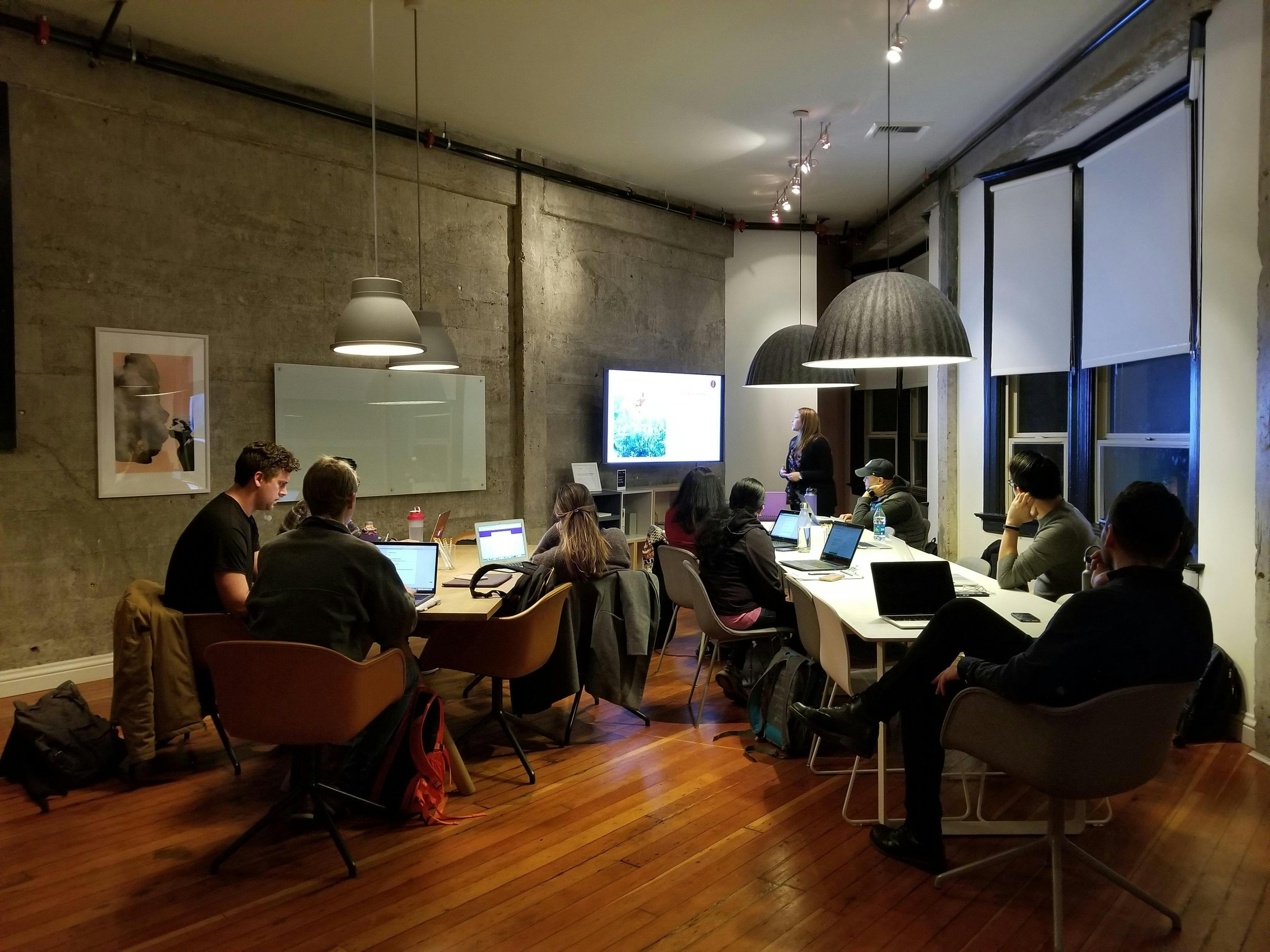
Students Notice What We Value
When educators visibly value durable skills, students begin to see their importance as well.
The program is most effective when educators understand and believe how important durable skills are for success—not only in school, but in the workplace and beyond.
One exercise we use in teacher training, and recommend you try, is a quick search to explore just how important soft or durable skills are in today’s workforce. You can do this with Google or ask an AI tool such as ChatGPT, Claude, or another platform of your choice.
Ask questions such as:
How important are soft or durable skills for success and high performance in the workplace?
Do employers value these skills, and how much do they value them?
Why are durable or soft skills becoming even more important as AI becomes more embedded in the workplace?
Spending a few minutes exploring these questions helps build a clearer understanding of why developing durable skills is so important for students today. You can use this exercise with your students as well.

03 — Setting the Tone
This is meant to be different.
It is very important to explicitly communicate to your students:
Work in this program will not be graded.
This program is designed to give you an advantage when entering the job market.
Give this program the level of effort you know you deserve. Each of you is unique and valuable, and we want you to become the best version of yourself as you enter the workplace. But it is up top you to give yourself this advantage and edge.
Durable and soft skills matter. Over 90% of employers say soft skills are critical when making hiring decisions, with some studies reporting up to 93%. Communication, teamwork, and adaptability are often valued as highly as technical skills.
Entering the workforce with these skills already developed immediately increases your value.

04 — Framing the Culture and Environment
You are not just a class, you are a team.
So that means:
Teams may receive only goals and objectives, not step-by-step directions. Figuring out how to proceed is part of the learning process.
Emphasize/value Growth, not grades (change in thinking, attitude, and behavior)
Highlight the value of self-awareness and self-development (investment), not just coverage of material
Use these reminders from time to time:
“The durable skills you’re learning about are what employers want and are looking for.”
“This material isn’t academic. You can’t cram for a test. Can’t fake it. Employers will know.”
“Step out of the typical school mindset. In this program, you are encouraged to think independently and share your opinions. Always be respectful of others when doing so.”
“Businesses spend billions teaching their employees. You’ll have an edge if you enter the workplace with these habits, traits, qualities, and attitudes.”

Additional framing
We also want students to understand how this program differs from their regular classes and curriculum:
When we ask questions, we want your thoughts and opinions. It doesn’t matter if your answer is “right” or “wrong.” Don’t be afraid to raise your hand and share your ideas, feedback, and opinions. You’ll need this skill in the workplace, and this is great practice.
We may not always give specific directions. Instead, we often provide goals or objectives, giving you the freedom to find your own solutions. This mirrors what will be expected of you in the workplace.
We may not always give specific directions. Instead, we provide goals or objectives, giving you the freedom to find your own solutions. This mirrors what will be expected of you in the workplace.
Do not view your classmates as competitors. Instead, see them as team players working with you to accomplish a common goal.
This program gives you a chance to be creative and use your imagination. These skills are highly valued by employers, as they help you develop solutions and become an innovator.
Summary
In our eight-week program, we usually begin with Refactoring lessons. These lessons help students recognize habits developed in traditional school settings that may unintentionally work against the durable skills needed to perform at a high level in the workplace.
However, since these lessons are not currently available in our public lesson library, we recommend starting with the foundational lessons: Self-Awareness, Self-Acceptance, and Self-Appreciation.
Before beginning, we want you to understand how to use the online lessons.